

The World of the Kenyalang Novels
Most people, if asked to place Borneo on a map, would gesture vaguely toward Southeast Asia and hope for the best.
The third largest island in the world sits at the centre of the Malay Archipelago; a place where the ancient and the modern, the indigenous and the colonial, the sacred and the commercial existed in a proximity that the rest of the world had not yet had time to make complicated. In 1912 it was still, in the truest sense, a frontier. Not the romanticised frontier of adventure novels but a real one. A place where the maps had blank spaces. Where rivers had no names in any European language. Where a man could arrive with nothing and build something entirely his own, provided he was prepared to learn whose land he was building it on and what he owed them for the privilege.
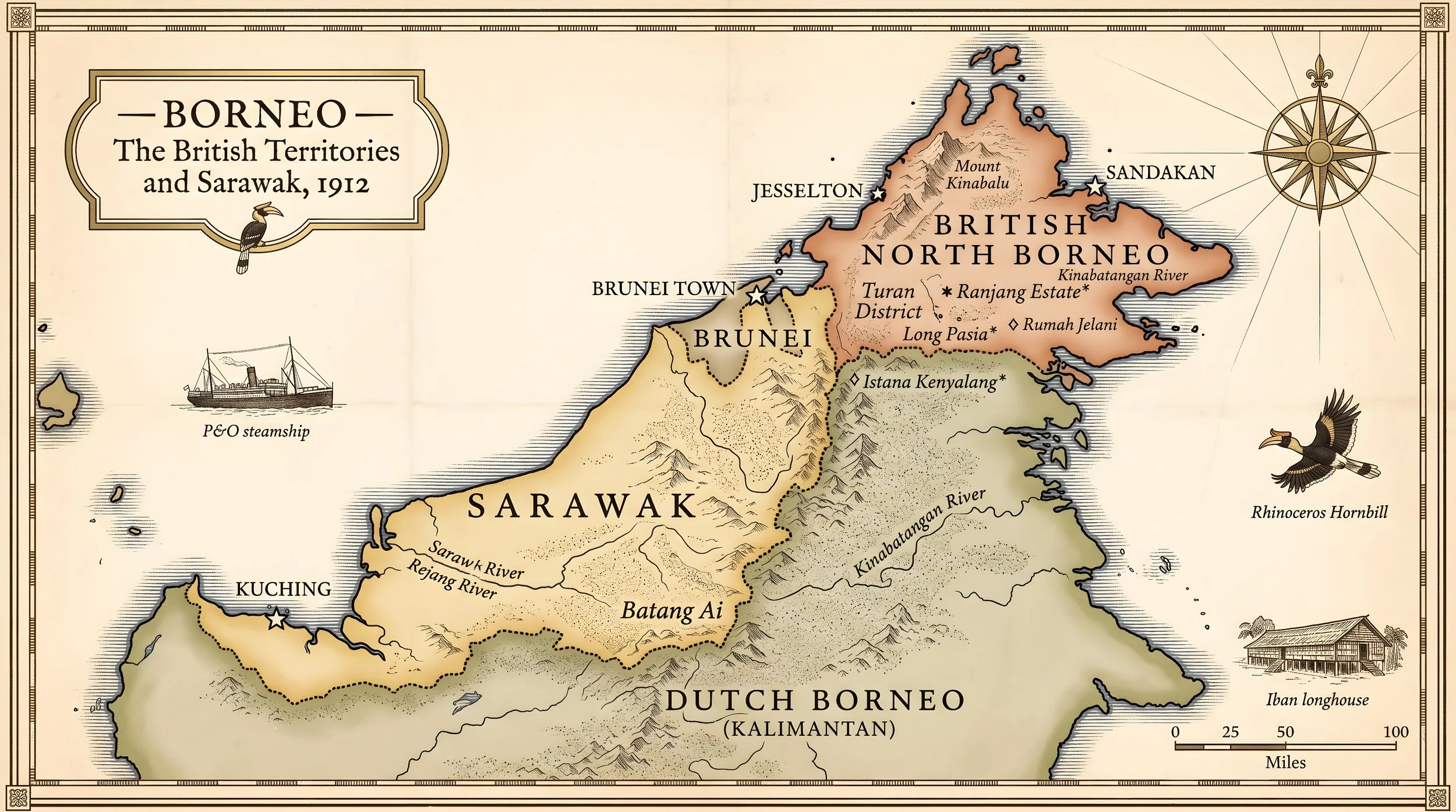
British North Borneo was administered by a Chartered Company from an office in London that had never sent anyone senior enough to understand what they were administering. Sarawak was governed by the White Rajahs; the Brooke dynasty, who had ruled by personal authority and considerable nerve since 1841. Brunei was a Sultanate caught between them. And beneath, behind, and throughout all of it were (are) the Iban, the Dayak, the Malay, the Chinese, the Tamil communities who had been there long before any flag was planted and would remain long after the flags came down.
This is the world Jasper Brooke writes about. Not from a distance. From inside it. The map above shows the territories as they were around the start of the 20th Century. Samuel, Julian and Ravi arrived in 1911. The locations marked with an asterisk are fictional. Everything else is real.
The photographs on this page come from a journal kept by Samuel Whitmore between 1910 and 1918. They are a private record of the voyage east, the territories of British North Borneo and the world that he and Julian Pembroke made their own. Samuel was not a sentimental man. He did not photograph people at parties or record occasions for their own sake. He photographed things he wanted to remember precisely; a waterfront, a river, a building, a face. The notes he added in his careful hand were observations rather than captions. They say what he saw, not what he felt about it.
What he felt about it is in the novels.
Samuel’s Album
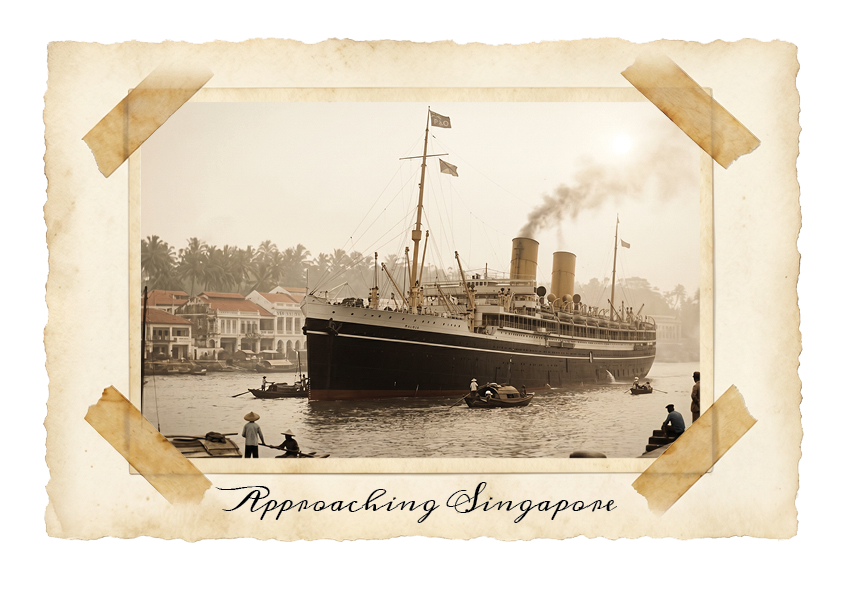
Approaching SingaporeThree weeks from Southampton. The heat begins before the shore is visible
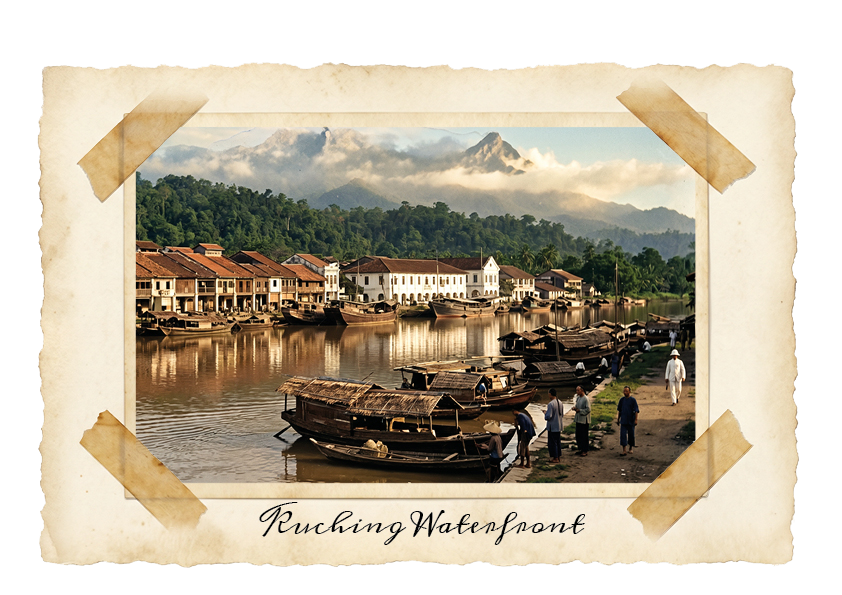
The Sarawak River Capital of the Rajah's territory. The Jungle sees everything.
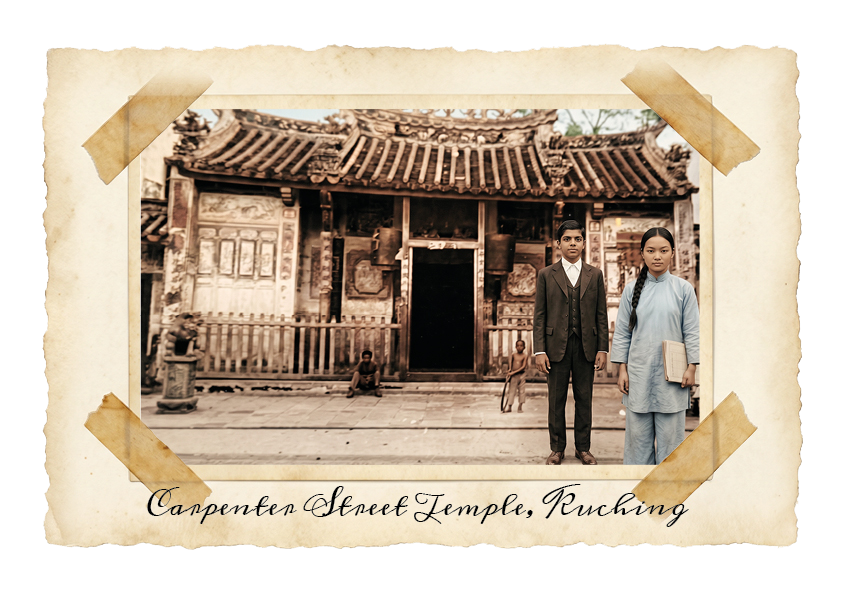
Carpenter Street Temple, Kuching . Ravi suggested the visit for educational purposes. Li Mei brought her ledger!
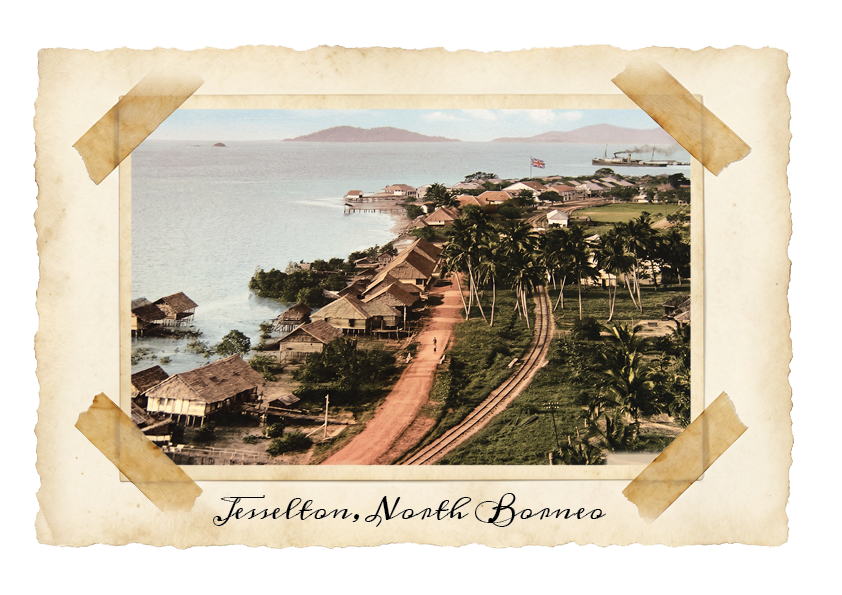
Jesselton on the northwest coast . Our first sight of British North Borneo. Smaller than expected. Hotter than England.
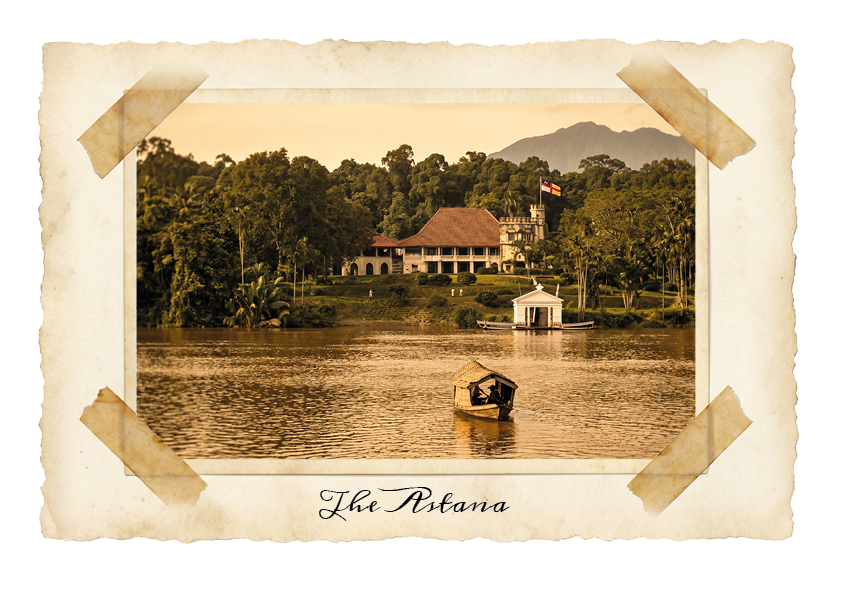
The Astana, Kuching The Rajah's palace. We were received here. J. dressed for the occasion.