

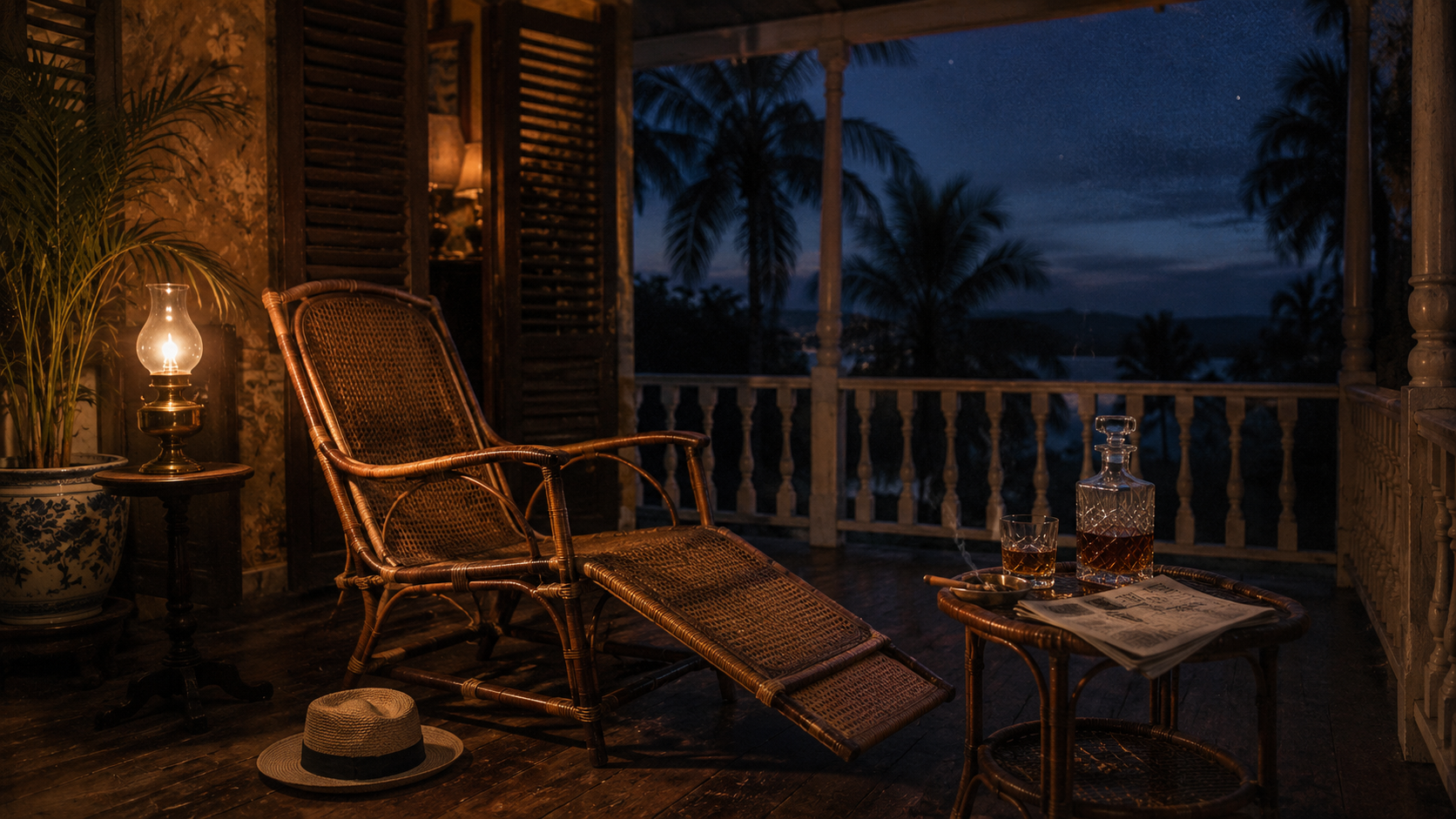
Historical Micro-Essays
On this page you will find a range of Micro- Essays which I will continue to add to over the coming months and years. The essays are small windows into the world my novels inhabit. Each piece takes a single object, ritual, place, or habit (for example, a dinner jacket worn in the wrong climate, the cicadas at dusk on a tropical veranda, the slow journey of a letter from one end of the empire to the other) and examines it closely enough that the larger Edwardian world comes into focus around it.
The research is real. The dates are real. Where the scholarship matters I name it, and where an archive has given up something worth knowing I say where it came from. But these are essays, not articles, and they wear their learning lightly. There is room here for the comic as well as the elegiac: the impossibility of keeping a white linen suit white for more than four hours; the indignities of the mosquito net; the small social catastrophes that no history book ever quite recorded. The vanished worlds were not solemn all the time. Nobody who lived in them thought they were living in History!
What unites the pieces is a kind of attention. They sit beside the novels rather than inside them. They are evidence, if you like, that the world the fiction rests on was once an actual place, with its own light and its own smells and its own rules about dressing for dinner. Some of these essays will eventually become scenes in the books. Some never will. They are here because they are worth writing for their own sake.
To read these micro essays, click on the images.
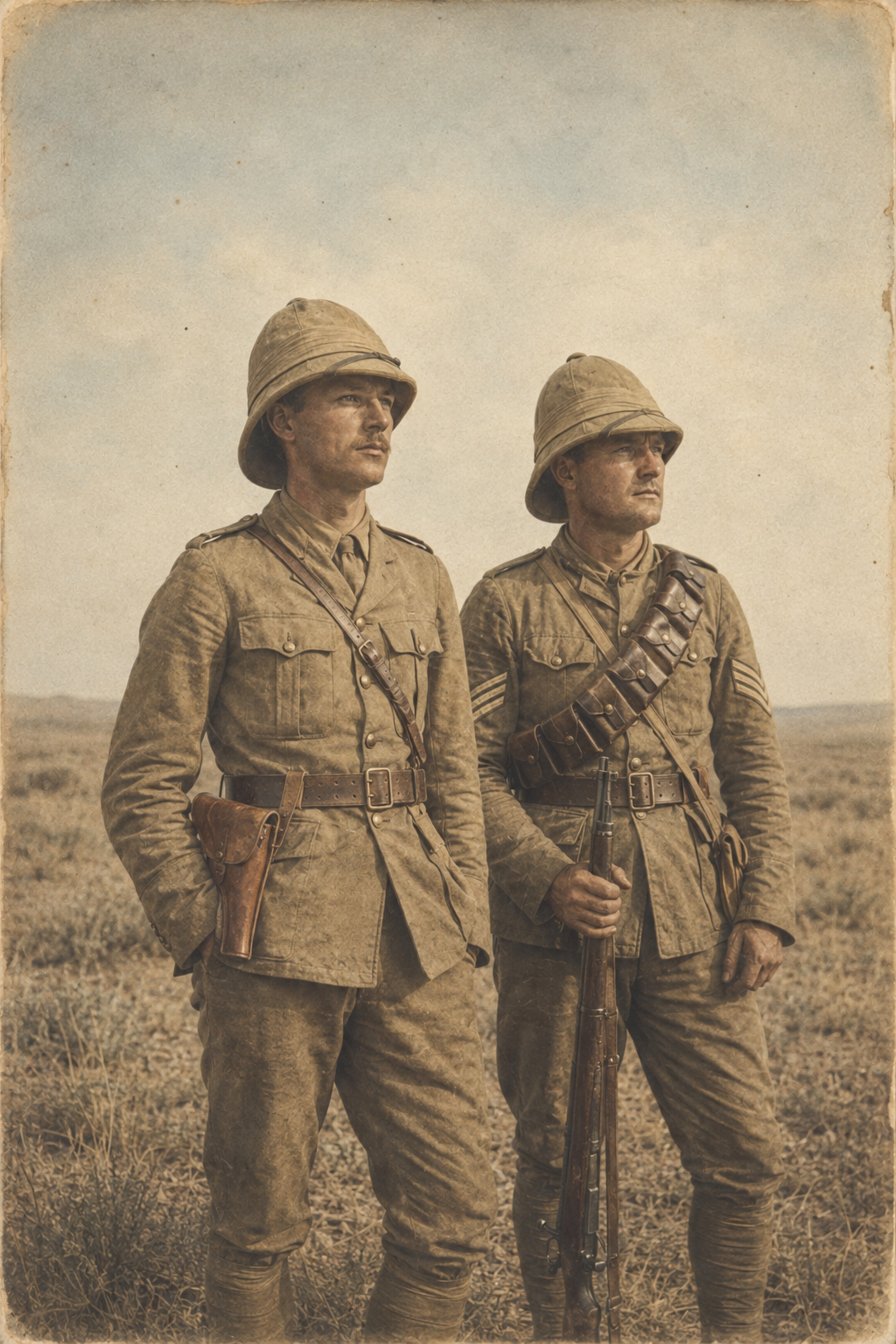
On the Officer & His Man
Essay Number: 1
Every officer in the field had one; a soldier servant who cleaned his kit, carried his correspondence, and slept within hearing of him. The arrangement was practical, conventional, and entirely unremarkable.
It was also, in a number of cases that historians are only now beginning to count, possibly something else.
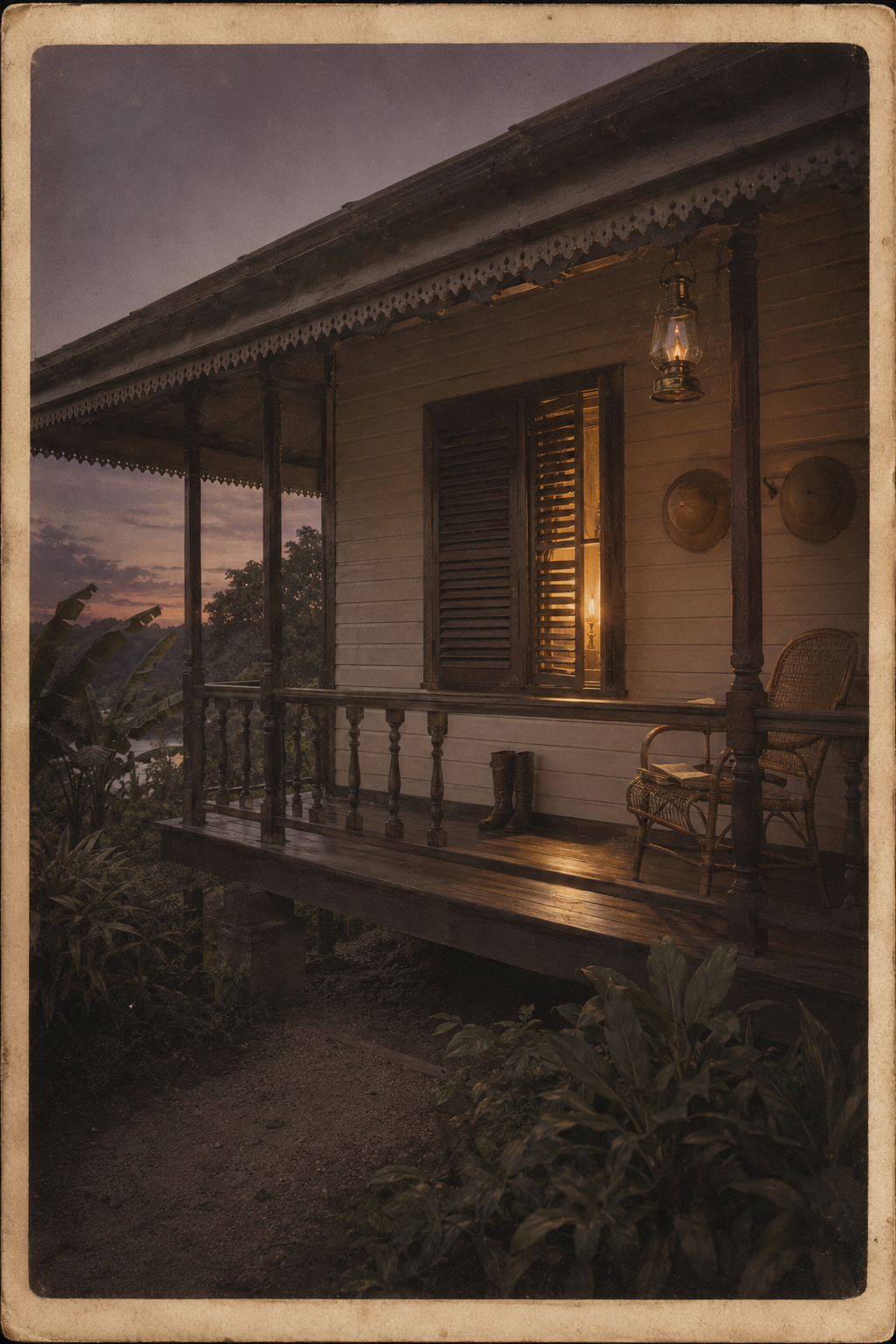
The House that Asked no Questions
Essay Number: 2
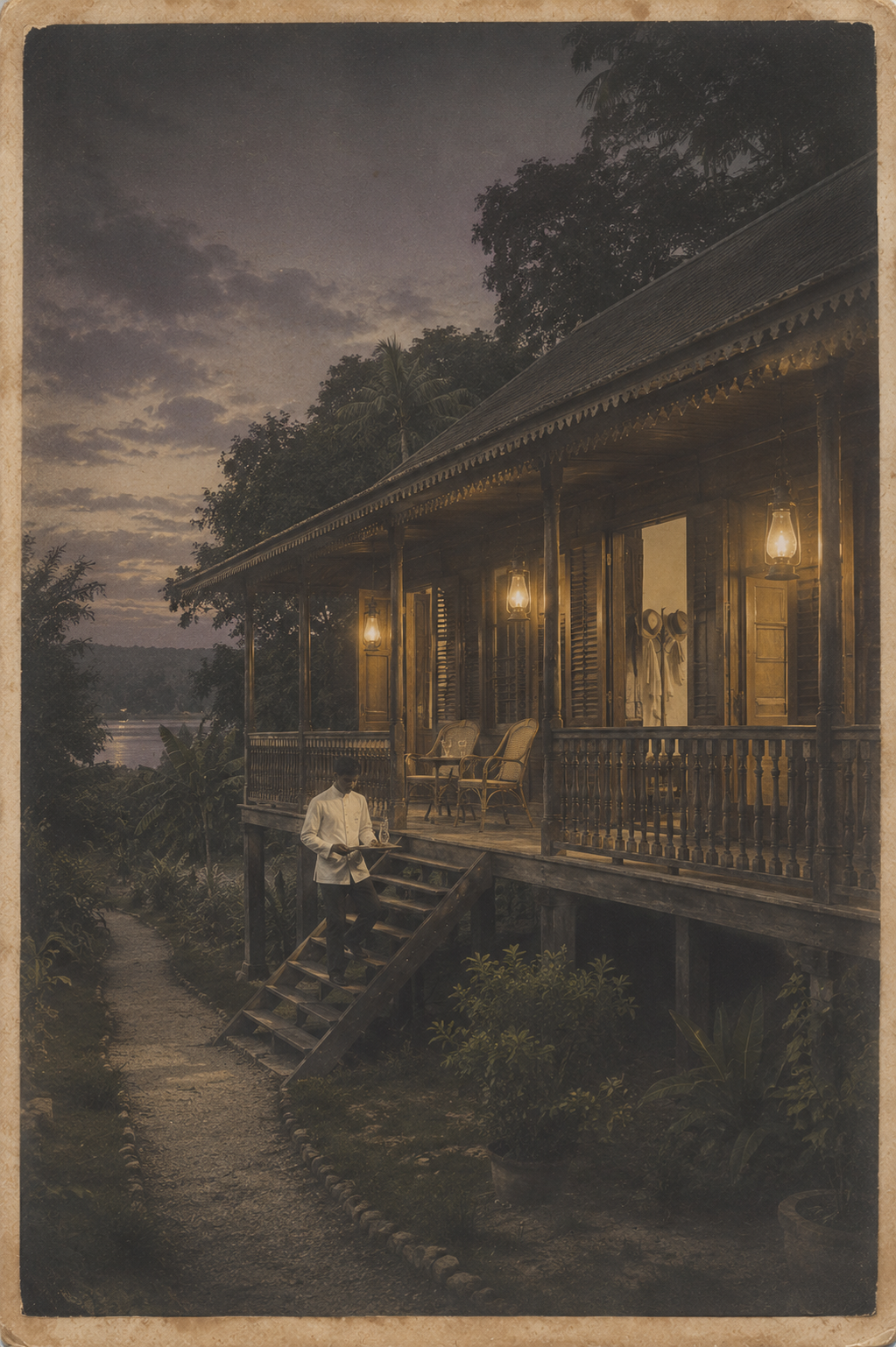
In the colonial bungalows of British North Borneo and Sarawak, an officer often kept a woman in his household. Often a Malay, a Dayak, or an Iban woman. The arrangement had a Malay name: nyai, the same word used across the archipelago for a woman in such a household. The British did not have a word for it. They simply did not look.
It was a house, in the end, that asked no questions.
On the Men with the Least Prospects and Fewest Friends
Essay Number: 3
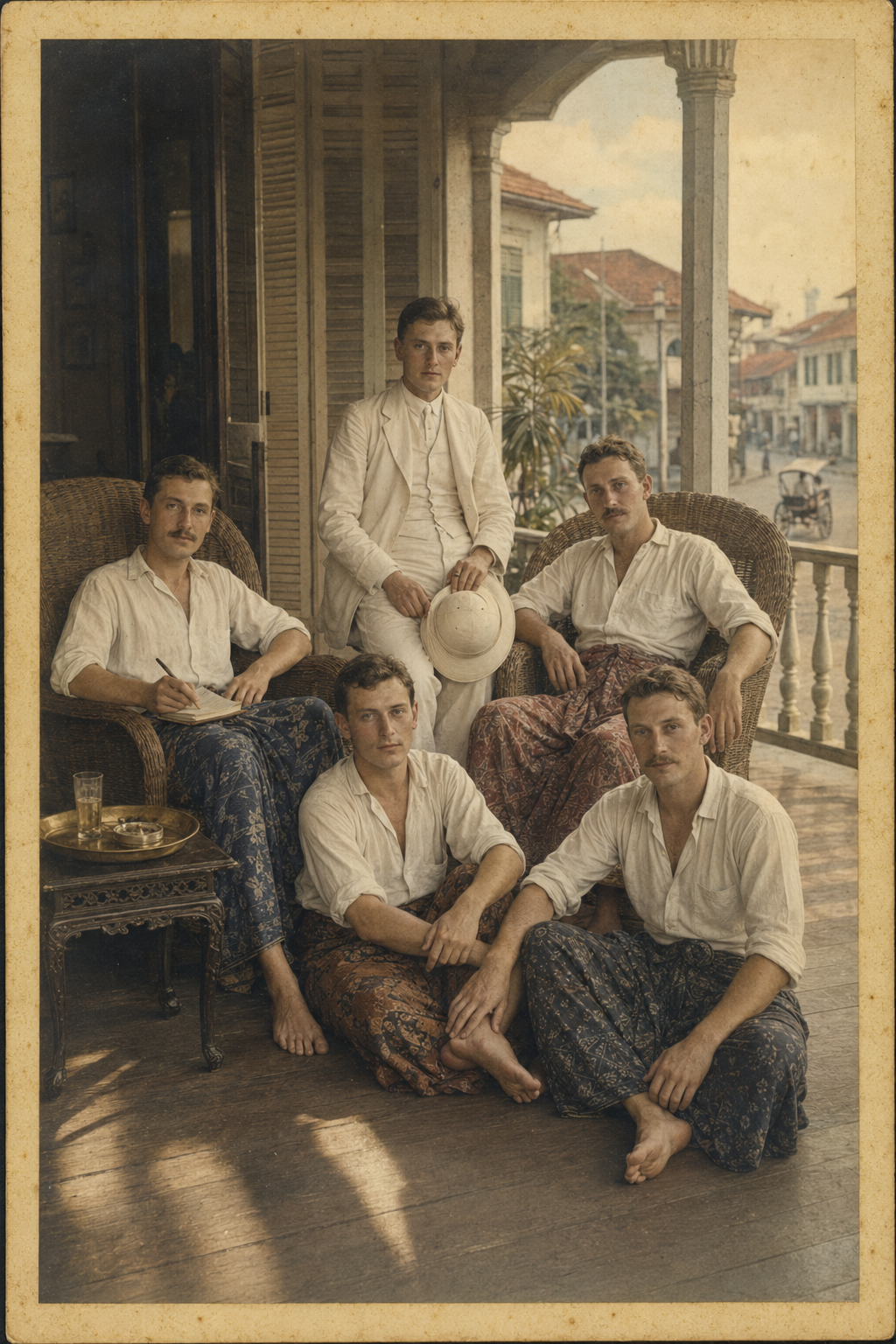
Charles Brooke, the second White Rajah of Sarawak, preferred his officers to have the least prospects and fewest friends. Men with no English society to return to and no English society watching them in Borneo. The administration he built around them was the smallest and the strangest in the British world.
It was also, for a particular kind of man, the freest.
Behind the Shutters
Essay Number: 4
At lamp-up the shutters were closed across the windows, and from the verandah nothing of the room beyond could be seen but a band of yellow light where the louvres did not quite meet. The two men inside were no longer accountable to the outside world. The houseboy had withdrawn to the kitchen quarters. The river went on below the verandah and the bungalow was theirs for the evening.
The shutters, for once, were closed against the convention as well as the night.